
modernism
The honesty of a design is a concern that resonates with me. Showing industrial processes, not hiding the materials and structure of a piece of furniture, deconstructing it to make it "transparent" — this fundamentally honest approach to design inspires me because it allows me to search for a kind of timeless truth. Reducing a piece of furniture to its archetype, to its simplest expression.
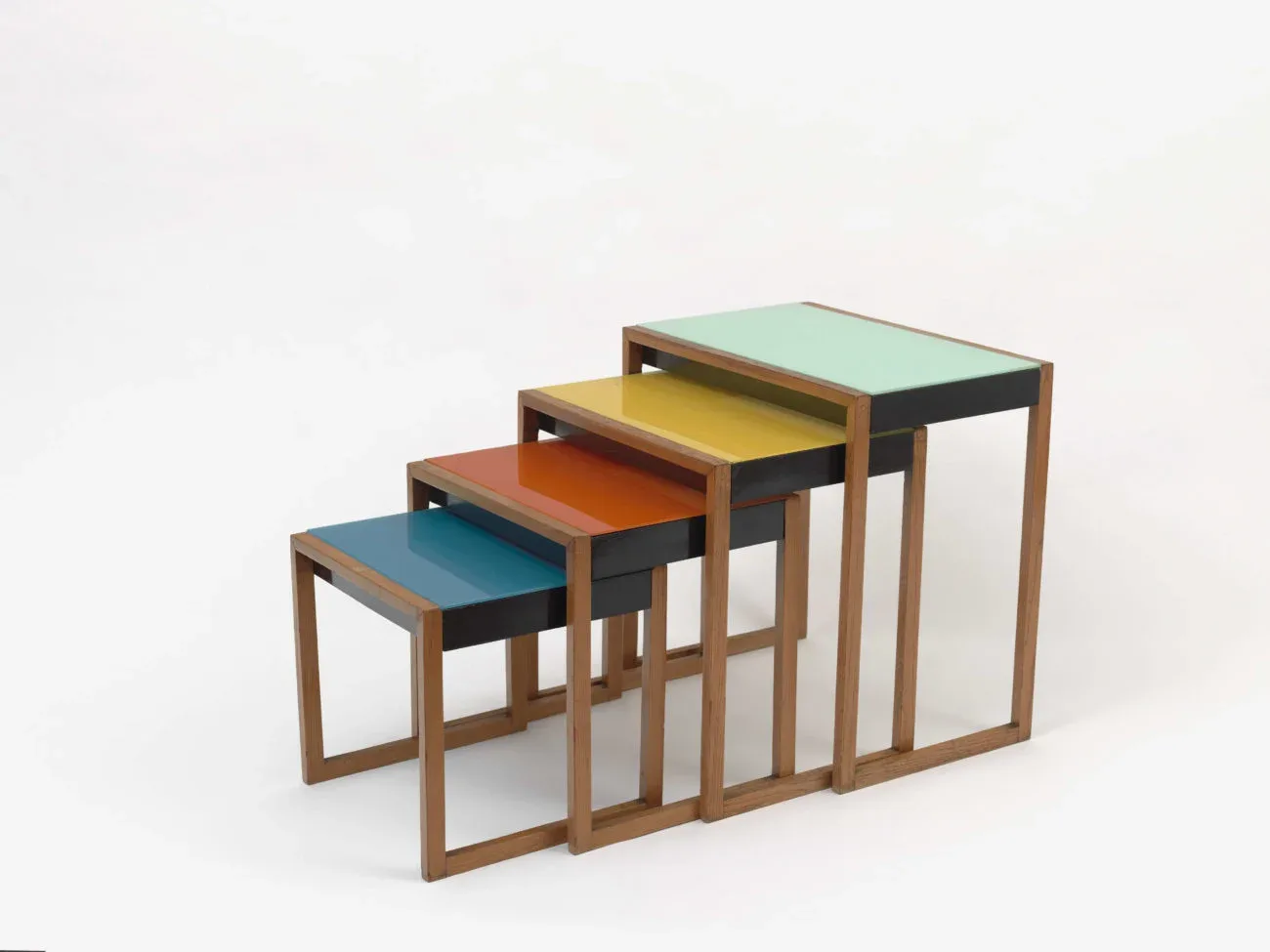
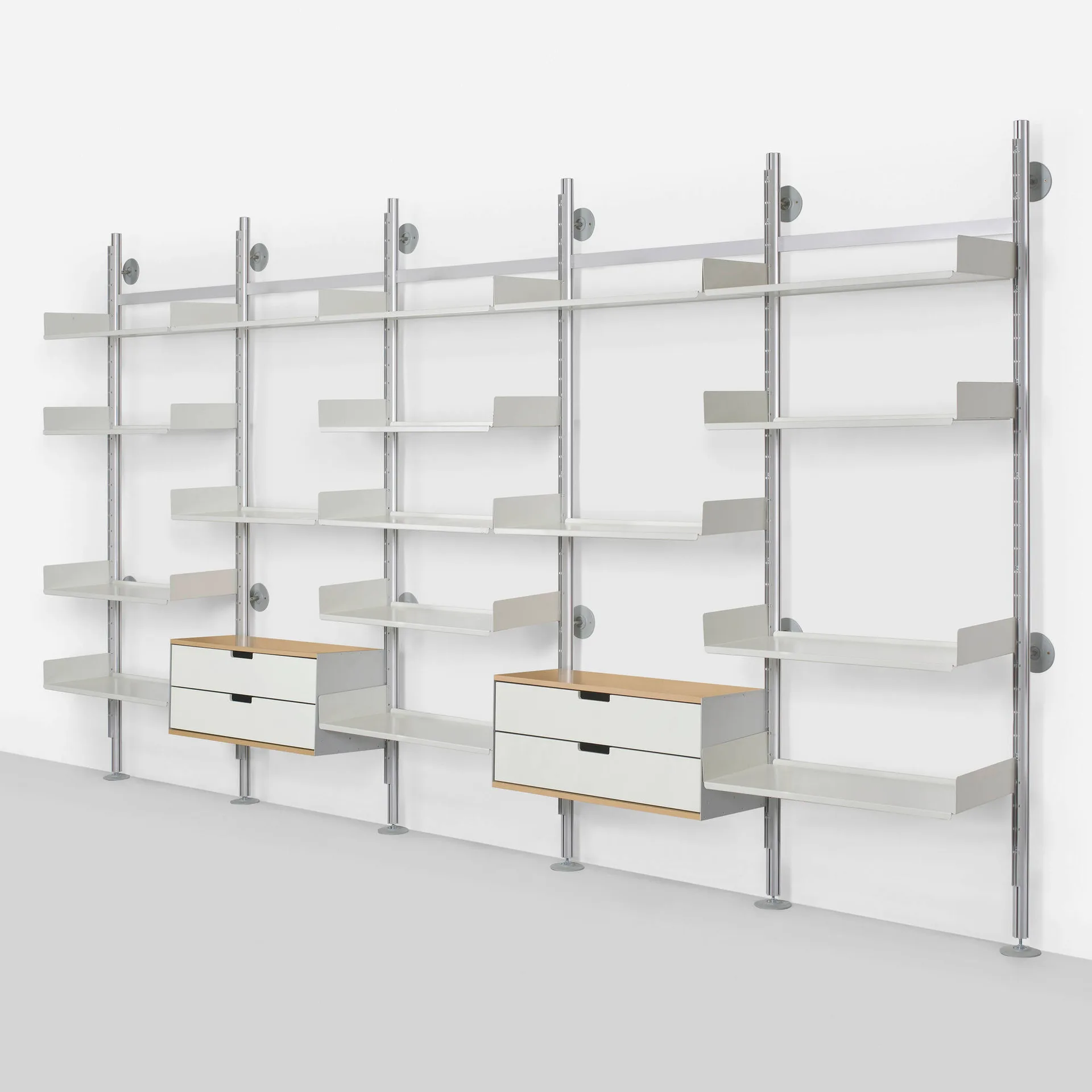
A handmade object is by nature unique: every element of its form is the result of a single individual's gesture. Pottery retains the traces of the craftsman's fingers, stained glass reproduces the line of the artist's hand-drawn design, a garment keeps the marks of the tailor's cutting, and the curve of a chair leg is tied to the shape of the cabinetmaker's arm. For a long time, the handmade object remained a luxury accessible only to the wealthiest. This preciousness was naturally expressed through a multitude of details and ornaments. These ornaments were so many marks of the object's unique character: each artist, each craftsman put their soul, their signature into it. Since every new object was born from original work, it was by nature different from the last: the luxury of personalization was inseparable from the object itself. To reproduce something identically was to impose an unnecessary constraint on production and to forgo an opportunity for personalization, artistic expression, or playfulness.
The industrial object: refinement and rationalization
With the advent of the Industrial Revolution, new mechanical modes of production made it possible to repeat gestures and operations identically. From then on, a new type of object was born: the industrial product. It was no longer a unique object bearing the signature of an equally unique craftsman; on the contrary, the industrial product is one clone among others. Its beauty no longer comes from its uniqueness, but rather from its conformity. It is a more modest beauty, but a more universal one. The goal is no longer to stand out through original eccentricity, but rather to seek an archetype, a purity of form that transcends styles and eras. Indeed, the driving force of the Industrial Revolution was nothing other than economic performance: producing more with fewer resources (human and material). The rejection of ornament was therefore not an aesthetic choice but an economic necessity: refining the form meant simplifying the manufacturing process, and thus reducing production costs.
Industrial beauty
What began as an economic imperative would soon find theoretical and aesthetic justification. While early industrial products show a persistent attachment to ornament (for example, Singer's mid-19th-century sewing machine, which features numerous unnecessary ornaments and decorative floral motifs), the industrial object gradually evolved toward a more refined formal language. The old regime, a society dominated by the rentier class, held work and utility in contempt and cultivated frivolity, uselessness, and the baroque as signs of wealth and power. The modern era, by contrast, would gradually rehabilitate work: it was no longer shameful to work, to produce, to seek efficiency and economy. Industrial products would thus gradually shed their masks to reveal their true identity: useful objects, intended for a function, seeking to fulfill that function at the lowest possible cost.
William Morris and the Arts & Crafts movement: the convergence of form and function
Artists and creators did not immediately welcome new industrial production techniques. In England, under the influence of William Morris and John Ruskin in particular, the Arts & Crafts movement developed between 1880 and 1920. It was a reactionary, anti-industrial movement that sought to recover the lost beauty of natural materials and forms. Industrialization had caused a separation between producer and designer, resulting in ugly products and servile workers. Early industrial products were over-ornamented, their forms seemingly disconnected from their materials. It was as if an arbitrary form were being imposed on matter, in a process that was soulless and alienating for both creator and maker. In 1856, Owen Jones declared: "Utility must have precedence over ornamentation." This marked the beginning of a functionalist approach to design.
A free worker designs their own products; they are not the mere executor of someone else's ideas. Rather than a factory where workers mechanically carry out a creator's ideas, William Morris envisioned a society in which everyone became a creator and maker. He proposed a twofold emancipation: the emancipation of the worker through the recovery of creative control, and the emancipation of the creator through the reclaiming of manual labor. The goal was to bring the creator closer to their means of production: only through an intimate knowledge of the constraints and possibilities of the production tool could the creator unlock its true potential.
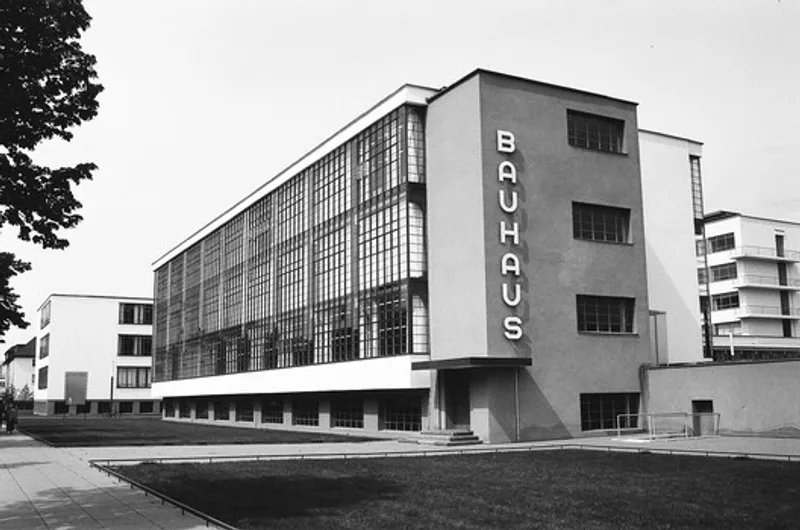
Bauhaus, 1919–1933: the emergence of the modern designer
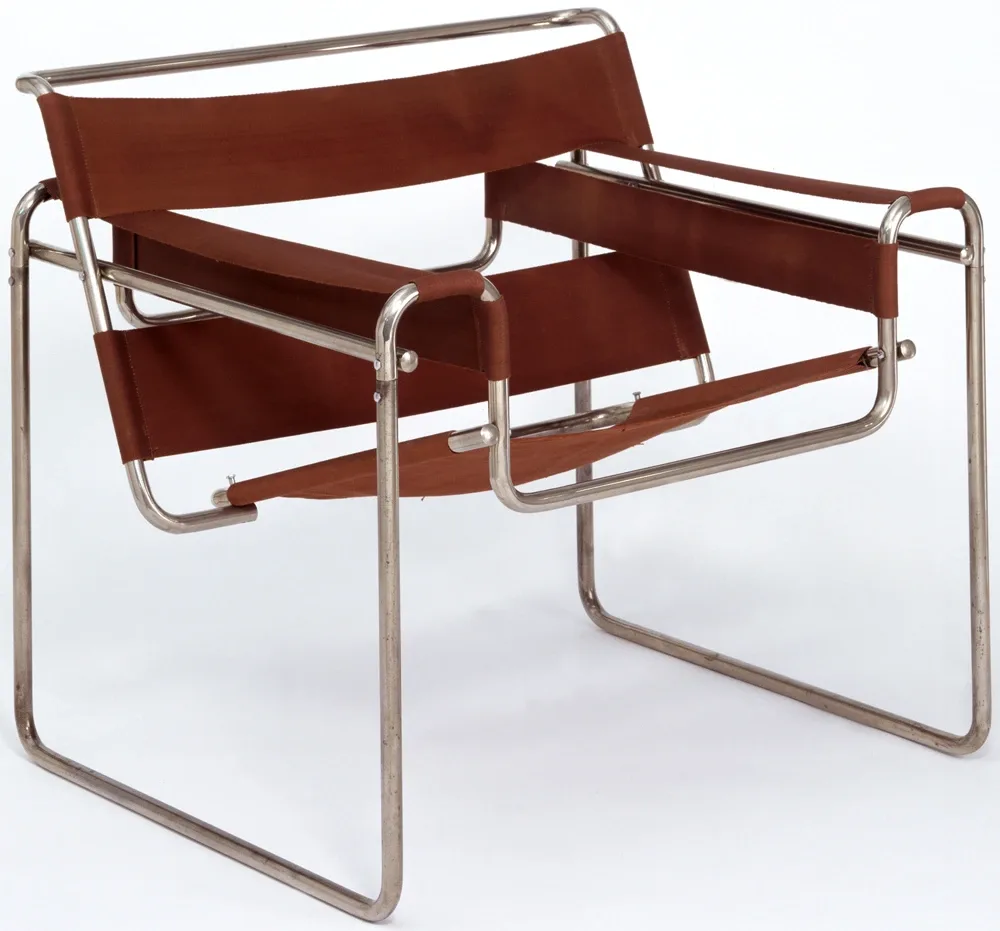
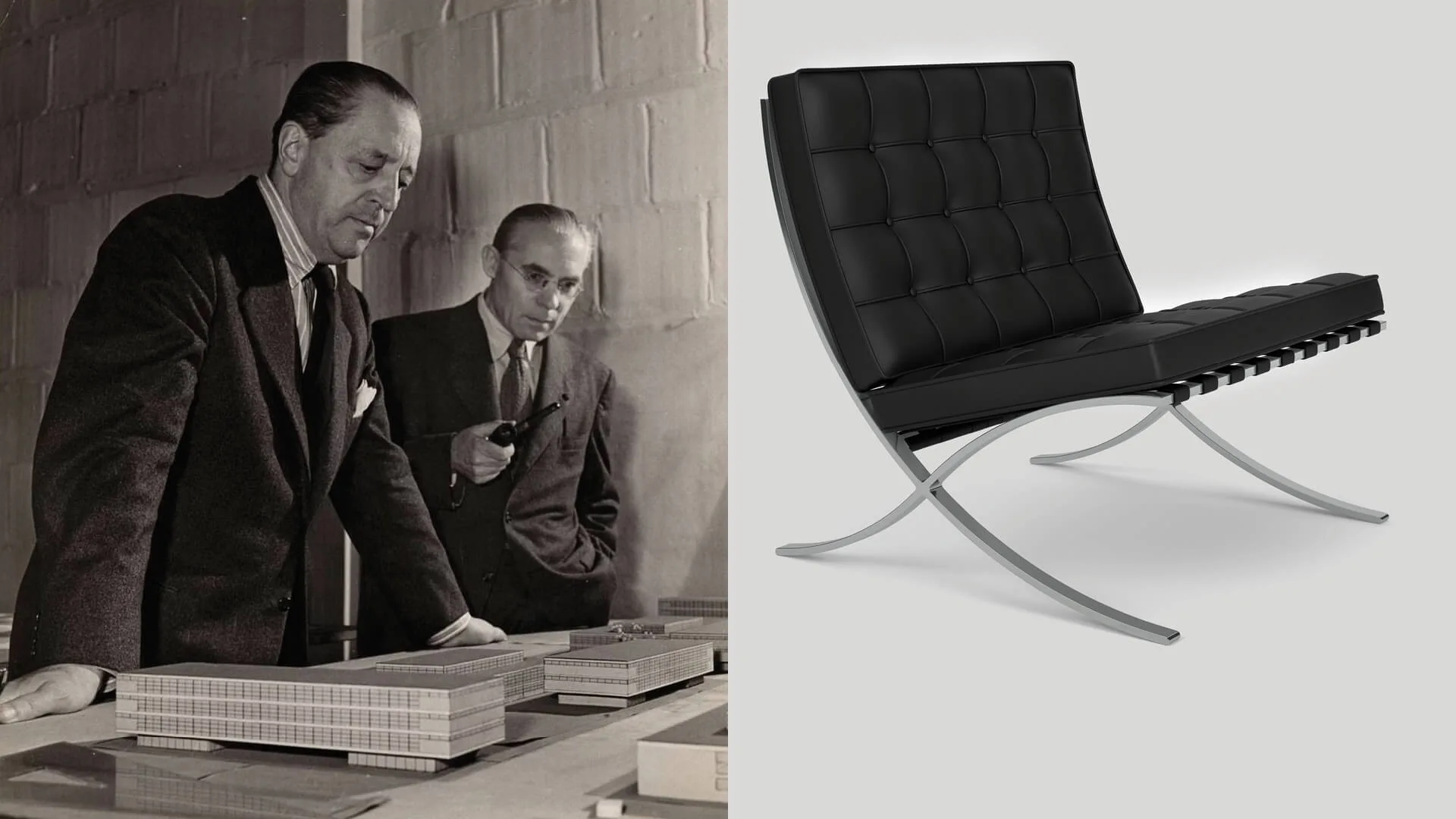
It was in Germany that this new industrial aesthetic would reach theoretical maturity. The opening of a school of industrial design, bringing together practical and theoretical knowledge, mastery of arts and crafts under one roof, facilitated dialogue between art and technique, between design and production. A new figure of the Industrial Revolution was born: the designer. He embodies this new convergence of knowledge. To create a beautiful industrial object, the designer must have an intimate understanding of production constraints: the physical properties of materials, industrial manufacturing processes and techniques, and economic cost. This convergence of knowledge gave rise to theoretical principles that guide the modern designer's work: refinement of form, expressiveness of material, and harmony between form and material. "Less is more," as Ludwig Mies van der Rohe, the Bauhaus's last director before its closure by the Nazis, so aptly put it. Among the Bauhaus's iconic creations are the Wassily Chair by Marcel Breuer (1925) and the silver and ebony teapot by Marianne Brandt (1924).